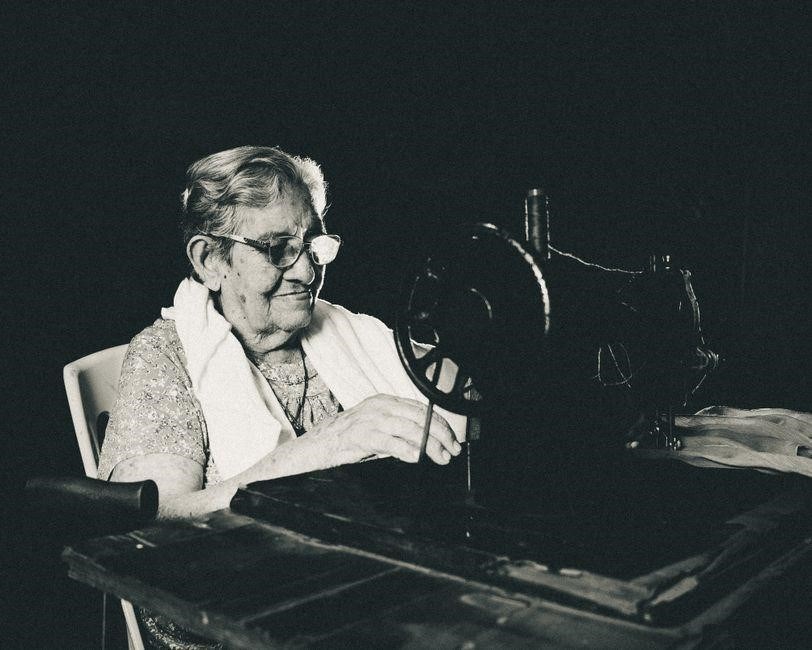
Singer’s early manuals guide users through setup, wiring, lubrication, and maintenance for models like 101‑4, 5000, and 2750. They detail electric connections, recommended Singer lubricants, and step‑by‑step bobbin changes, preserving vintage machines for modern hobbyists. They are vital for preserving heritage.!!!
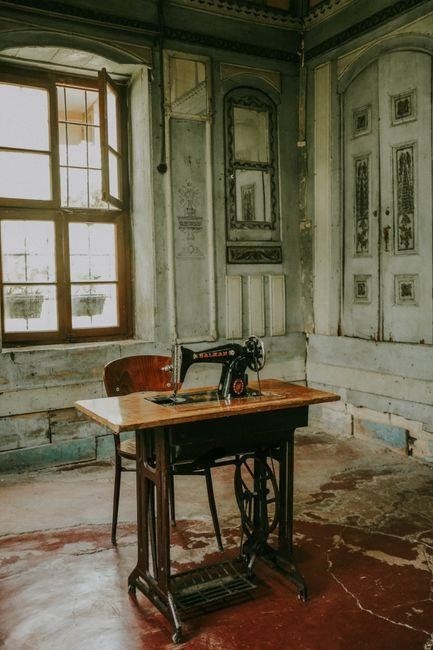
Key Singer Models Covered by Manuals
Singer manuals cover iconic models such as the 101‑4, 5000 Series, and 2750/2751, each with unique electric wiring, stitch patterns, and maintenance schedules. These guides detail power connections, lubrication, and bobbin care, ensuring reliable operation for vintage hobbyists. for collectors worldwide, with care tips.
Model 101-4 & 101-12 (1929) Manual
The Singer 101‑4 and 101‑12 manuals, issued in 1929, offer detailed instructions for operating and maintaining these early electric sewing machines. They begin with safety warnings, stressing the necessity of a 110‑V supply and correct polarity to avoid electrical hazards. The manuals guide users through setting up the machine on a stable surface, attaching the power cord, and securing the foot pedal, which serves as a safety lock. They emphasize the use of Singer‑approved lubricants, specifying light oils for the feed dogs and heavier greases for motor bearings. Daily maintenance steps include cleaning the needle plate, inspecting tension springs, and replacing worn needles. The documents also provide a troubleshooting table for common issues such as skipped stitches, uneven tension, and motor overheating, with clear diagnostic steps and corrective actions.
Included in the manual is a wiring diagram on page 12 that illustrates the correct placement of the fuse, ground wire, and neutral line, warning against the use of a 220‑V supply which could damage the motor. The foot pedal is described as a safety feature that locks the needle bar when not in use, preventing accidental needle contact. For lubrication, the manual recommends applying a light oil to the feed dogs every 50 hours of use and a heavier grease to the motor bearings. Maintenance schedules advise inspecting tension springs every 200 hours and replacing them if they lose elasticity. The manual concludes with storage tips, suggesting a dry, dust‑free environment and covering the machine with a breathable cloth to preserve the classic Singer craftsmanship for decades every day. Follow these steps for lasting performance.
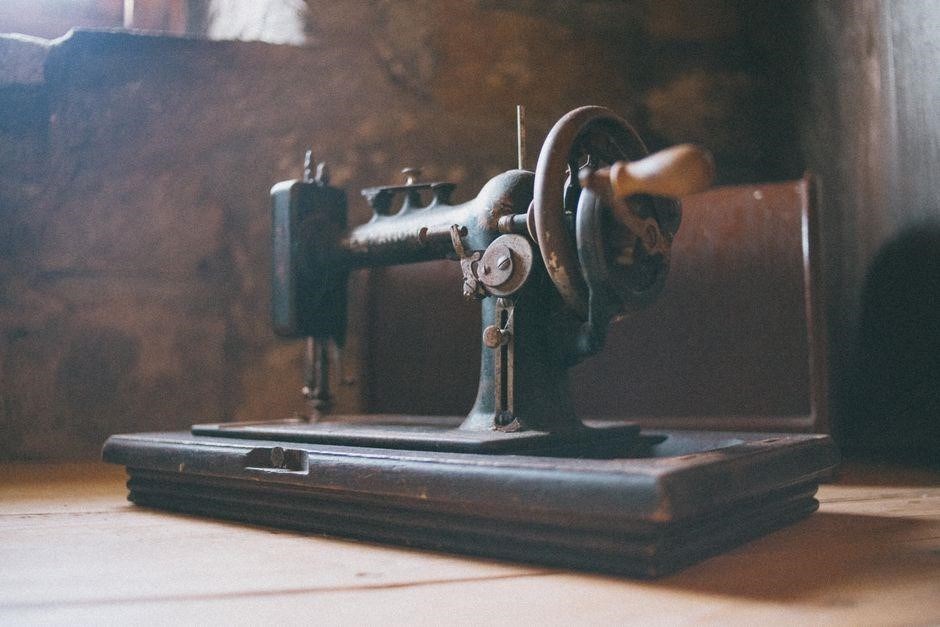
Model 5000 Series Manual
The Singer 5000 Series Manual, released in the early 1930s, provides comprehensive guidance for operating and maintaining this mid‑range electric sewing machine. It opens with a safety section that stresses the importance of using a 110‑V supply and checking the fuse before connecting the machine. The manual then walks the user through the assembly process, detailing how to attach the foot pedal, secure the needle bar, and align the feed dogs. Wiring diagrams illustrate the correct placement of the neutral, ground, and live wires, and the manual warns against using a 220‑V supply which could damage the motor. The document emphasizes the use of Singer‑approved lubricants, recommending a light oil for the feed dogs and a heavier grease for the motor bearings. Daily maintenance instructions include cleaning the needle plate, inspecting tension springs, and replacing worn needles. The manual offers a maintenance schedule that suggests inspecting the tension springs every 200 hours of use and replacing them if they lose elasticity. It also advises checking the motor bearings for smooth rotation and greasing them every 500 hours. Troubleshooting is addressed with a clear table that lists common problems such as skipped stitches, uneven tension, and motor overheating. For each issue, the manual provides diagnostic steps and corrective actions, such as adjusting the tension dial, cleaning the feed dogs, or replacing the motor. The manual concludes with storage tips, recommending a dry, dust‑free environment and covering the machine with a breathable cloth to preserve its mechanical integrity. By following these detailed instructions, users can keep the Singer 5000 Series running reliably for decades. Additionally, the manual describes the proper use of the foot pedal lock, ensuring that the needle bar remains stationary during rest periods to prevent accidental needle contact. It also includes a section on adjusting the stitch length, where the user can set the desired length by turning the stitch length dial and observing the resulting stitch pattern. For advanced users, the manual offers optional accessories such as a straight‑line guide and a button‑hole attachment, with installation instructions and safety precautions. The manual’s layout is user‑friendly, with diagrams labeled in both English and Spanish to cater to a broader audience. It also provides a troubleshooting flowchart that guides the user through a step‑by‑step diagnostic process, reducing the need for external assistance. Finally, the manual encourages regular inspection of the power cord for fraying and recommends replacing it if any damage is detected, as this can lead to electrical hazards. The manual also contains a detailed section on the proper use of the sewing machine’s built‑in safety features, such as the foot pedal lock and the needle bar lock, which together prevent accidental needle contact. Users are instructed to test these locks before each use by applying pressure to the foot pedal and ensuring the needle bar remains in place. The manual further explains the importance of keeping the machine’s internal components dry, especially in humid climates, and suggests using a dehumidifier in the storage area. It also advises against using non‑Singer lubricants, as they may cause corrosion or interfere with the machine’s electrical components. For those who wish to extend the life of their machine, the manual recommends periodic replacement of the motor bearings and the feed dog springs, as these parts are subject to wear over time. It provides a simple procedure for removing the motor housing, inspecting the bearings for smooth rotation, and applying fresh grease. The manual also includes a checklist for routine maintenance, ensuring that users do not overlook critical steps. By adhering to these guidelines, owners can enjoy the Singer 5000 Series as a reliable tool for both hobbyists and professional seamstresses, preserving its legacy for future generations.!!! !!!
Model 2750 & 2751 Manual
In the late 1940s, Singer released the 2750 and 2751 electric sewing machines for home and light commercial use. The manuals begin with a safety section stressing a 110‑V supply, proper grounding, and fuse checks before powering the machine. Wiring diagrams show correct placement of neutral, live, and ground wires and warn against 220‑V use. Assembly instructions cover attaching the foot pedal, securing the needle bar, aligning feed dogs, and installing tension springs. Users learn to adjust the stitch length dial for desired widths and set stitch tension with the tension dial. Singer‑approved lubricants are recommended: light oil for feed dogs and heavier grease for motor bearings. Daily maintenance includes cleaning the needle plate, inspecting tension springs for wear, and replacing worn needles. A maintenance schedule advises inspecting tension springs every 200 hours and motor bearings every 500 hours, greasing as needed. Troubleshooting tables list common problems such as skipped stitches, uneven tension, and motor overheating, with diagnostic steps and corrective actions. The manuals emphasize using Singer lubricants to prevent corrosion and ensure smooth operation. By following these instructions, owners can keep the 2750 and 2751 running reliably for decades, preserving the machine’s legacy for future generations. The manuals also advise checking the power cord for fraying replacing it if damaged as this can pose a serious electrical hazard. Owners are also advised to periodically inspect the foot pedal lock and needle bar lock to ensure they remain engaged during rest periods, preventing accidental needle contact. Additionally, the manuals recommend storing the machine in a dry, dust‑free area and covering it with a breathable cloth to protect against moisture and dust accumulation. These precautions help maintain the machine’s longevity and performance over time. This ensures safe operation

Where to Find Digitized Manuals
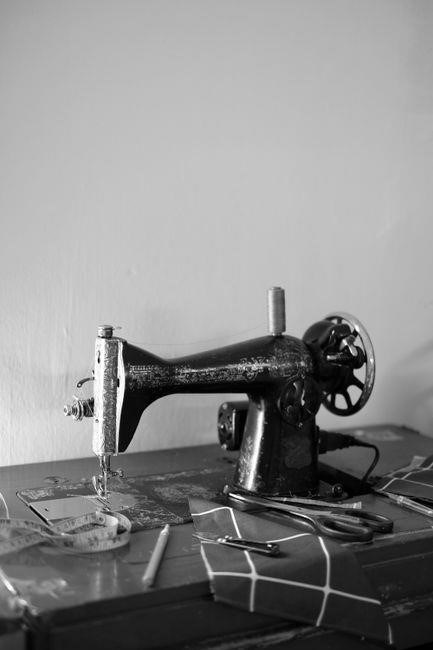
Digitized Singer manuals are available on Scribd, the Internet Archive, and specialized sewing forums. Search by model number; PDFs can be downloaded or viewed online. Community groups often share scanned copies, ensuring easy access for hobbyists. These resources are free for use and often include scans online!!
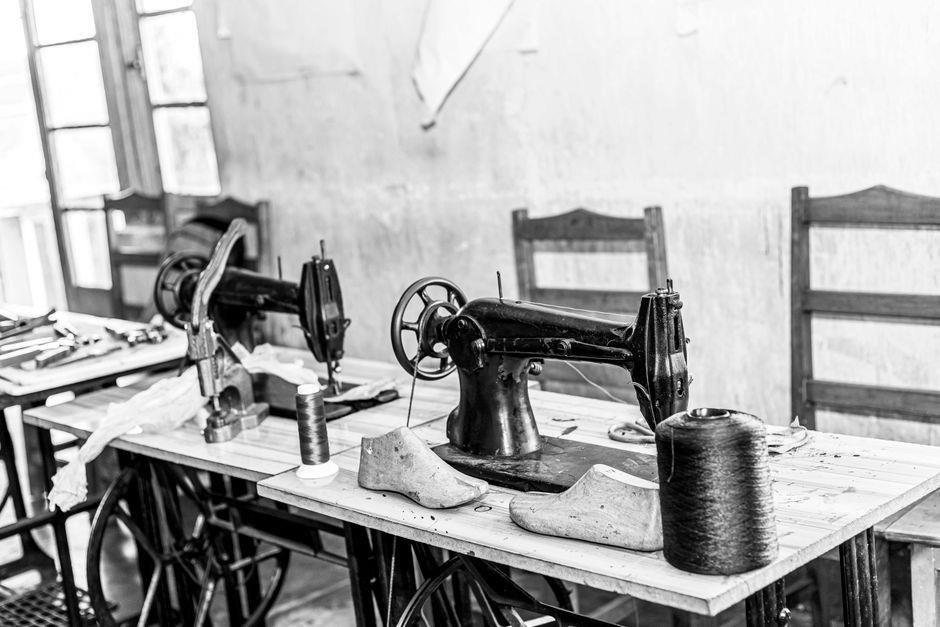
Online Archives and Libraries
For enthusiasts seeking vintage Singer manuals, several online repositories host digitized copies. The Internet Archive hosts a large collection of scanned manuals, including the 1929 Model 101‑4/101‑12, the 5000 series, and the 2750/2751. Users can search by model number or year, view high‑resolution PDFs, and download them for offline reference. The Library of Congress also offers digitized sewing‑machine manuals in its “American History” collection, providing access to early 20th‑century documents. The Smithsonian’s National Museum of American History hosts a digital exhibit on Singer, featuring scanned manuals and instructional videos. Additionally, the University of Michigan’s Digital Library includes a “Singer Sewing Machine Manuals” collection, with PDFs of the 1920s and 1930s models. These archives are freely accessible, often requiring only a simple web search or library login. By leveraging these resources, hobbyists can preserve the mechanical knowledge of old Singer machines, ensuring proper maintenance and restoration practices are followed. The digitized manuals also allow for easy comparison of different model revisions, helping users identify specific parts and troubleshooting steps. Researchers and collectors benefit from the searchable text, which can be indexed for quick reference. Overall, online archives and libraries provide a comprehensive, cost‑effective way to keep the legacy of Singer sewing machines alive for future generations. Collectors can also cross‑reference these manuals with contemporary repair guides, ensuring in every stitch now.
Commercial PDF Sellers
For collectors and repair technicians, commercial PDF sellers offer convenient, high‑quality copies of Singer manuals that are often difficult to find in public archives. One prominent source is Scribd, where the 1929 Model 101‑4/101‑12 manual is available as a downloadable PDF after a brief registration. The file includes detailed wiring diagrams, lubrication schedules, and step‑by‑step instructions for bobbin changes, providing a faithful reproduction of the original hard‑copy layout. Other platforms such as eBay and Amazon also list PDF bundles that cover the 5000 series and the 2750/2751 models, often bundled with related repair guides or parts catalogs. These sellers typically offer the documents in multiple formats (PDF, TXT, or EPUB) and provide a quick preview before purchase. The pricing ranges from $5 to $20, depending on the model’s age and completeness. Users should verify the seller’s reputation and read customer reviews to ensure the PDF is accurate and not corrupted. Additionally, some niche websites specialize in vintage sewing‑machine literature, such as Vintage Sewing Machine Manuals, which offer a subscription service granting access to a library of PDFs, including rare editions of Singer manuals. By purchasing from reputable commercial sellers, hobbyists can obtain clean, searchable documents that facilitate troubleshooting, restoration, and historical research, while supporting the preservation of these classic manuals in a digital format. Collectors often compare these PDFs with original hard copies to verify accuracy, ensuring that any restoration work is faithful to the machine’s original design. Moreover, many sellers provide a 30‑day refund policy, giving buyers confidence in the quality of the digital files. These PDFs are searchable, allowing users to quickly locate specific sections such as needle care or motor wiring, which is invaluable during time‑critical repairs. Some sellers also offer bundled instructional videos alongside the PDFs, providing visual guidance that complements the written instructions. Bulk purchases lower the cost per manual, making it economical to acquire models and at once OK!
Community Forums and User Groups
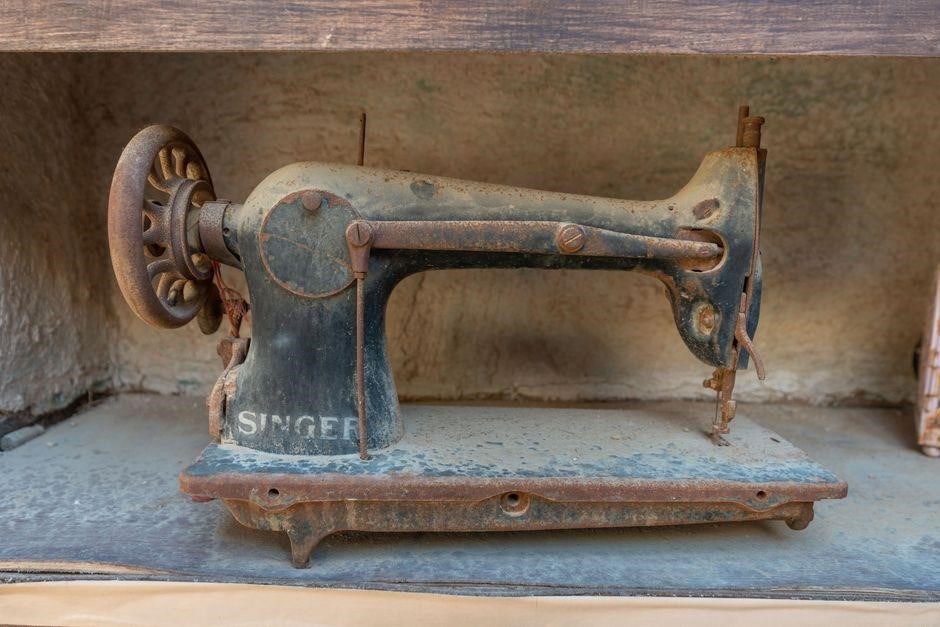
Collectors and technicians often turn to online communities for guidance on restoring vintage Singer machines. The Singer Forum on the official Singer website hosts a dedicated section where users share scanned PDFs, wiring diagrams, and troubleshooting tips for models such as the 101‑4, 5000 series, and 2750/2751. Members frequently upload high‑resolution images of the original manuals, allowing newcomers to compare their copies with the originals. Another active hub is the Sewing.org forum, which includes a subsection for antique sewing machines. Here, users discuss lubrication schedules, replacement parts, and the best practices for maintaining the delicate mechanisms of early electric models. Reddit’s r/handyman and r/DIY also feature threads where hobbyists post questions about Singer manuals, often linking to PDFs hosted on Scribd or other archival sites. Local user groups, such as the Vintage Sewing Machine Club, organize meet‑ups and workshops where participants can physically examine original manuals and demonstrate restoration techniques. These gatherings provide hands‑on experience that complements the digital resources. In addition, Facebook groups dedicated to vintage sewing machines offer a platform for sharing scanned pages, discussing restoration projects, and trading rare manuals. Byengagingwiththesecommunities, users gain access to a wealth of collective knowledge that is not captured in the commercial PDFs, ensuring that restoration work remains faithful to the original design and operation of Singer’s classic machines
Essential Sections in Singer Manuals
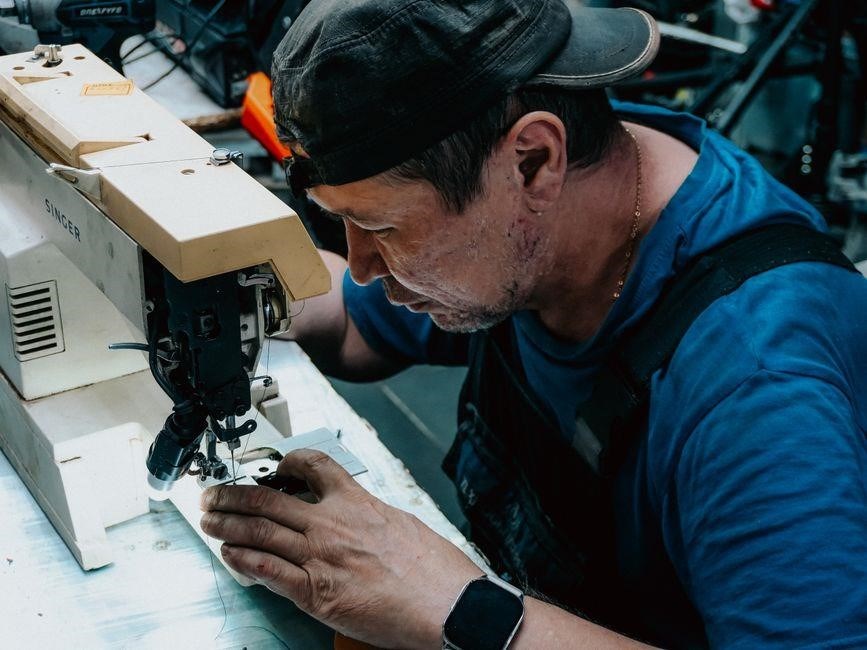
Singer manuals for vintage models cover setup, wiring, lubrication, and bobbin care. Each section includes diagrams, recommended Singer lubricants, safety cautions, and step‑by‑step instructions to preserve machine integrity. They are essential for restoring classic Singer machines.! sections illustrated with diagrams!!!.
Setup and Wiring Instructions
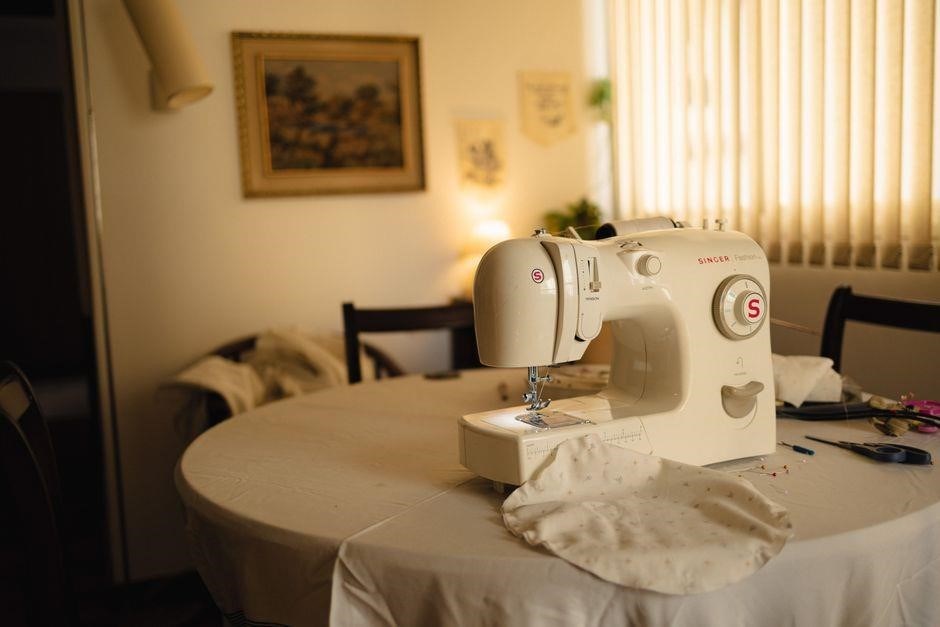
When installing the machine, always verify that the power cord is in good condition and that the plug matches the outlet’s configuration. Use a voltage meter to confirm 120 V before connecting. Keep the wiring insulated and avoid running the cable through heat sources. Label each terminal for now reference and ensure all connections are tight.

Lubrication and Maintenance Guidelines
Proper lubrication is essential to keep the old Singer sewing machine running smoothly. Begin by consulting the model‑specific manual to identify the recommended lubricants—Singer’s own oils are typically the best choice. Apply a small amount of oil to the feed dogs, bobbin case, and the needle bar. Use a clean, lint‑free cloth to spread the oil evenly, taking care not to over‑lubricate, which can attract lint and cause thread jams. After each sewing session, wipe the machine’s exterior with a dry cloth to remove excess oil and dust. Periodically inspect the moving parts for wear; replace any worn gears or bearings as instructed in the manual. For deeper maintenance, disassemble the machine following the step‑by‑step instructions: remove the cover plate, clean the internal components with a soft brush, and reapply oil to all moving parts. Keep a maintenance log to track oil changes, part replacements, and any issues that arise. Adhering to these guidelines will extend the machine’s lifespan and preserve its performance for years to come. Additionally, check the tension levers and thread guides for proper alignment; misaligned guides can lead to uneven stitches and increased wear. Use a small brush to clean the tension springs and ensure they are free of dust. Inspect the needle bar for any burrs or damage; replace the needle bar if it shows signs of wear. When lubricating the feed dogs, use a dropper to apply a few drops at each tooth, then rotate the feed dogs manually to distribute the oil evenly. For the bobbin case, apply a thin film of oil to the bobbin spindle to reduce friction. If the machine has a foot pedal, ensure the pedal assembly is free of debris and lubricated at the pivot points. Check the power cord for any fraying; replace it immediately if any damage is detected. Finally, perform a test stitch after each maintenance session to verify that the machine is operating correctly and that the stitches are even and consistent. Store the machine in a dry, dust‑free environment when not in use, and cover it with a breathable cloth to protect it from dust while allowing airflow. Regular, disciplined maintenance will keep the machine in top condition and prevent costly repairs later on. Remember to replace worn belts and springs promptly to avoid sudden machine failure;
Bobbin and Needle Care
Proper bobbin and needle maintenance is essential for reliable stitching on vintage Singer machines. Start by selecting the correct needle size for the fabric; Singer manuals specify the appropriate range for each model. Use a needle sharpener to keep the tip free of burrs, and replace needles after 20–30 stitches or if a break occurs. Inspect the bobbin winder’s spindle for wear; a worn spindle can cause uneven tension. Clean the bobbin case with a soft brush, removing lint and thread residue. When winding a new bobbin, use Singer’s recommended winding tension—typically a medium setting—to avoid over‑tightening, which can lead to thread breakage. After winding, place the bobbin in the case, ensuring it sits flush against the bobbin plate. Check the thread path for kinks; straighten the thread before inserting it into the machine. For the needle, apply a light coat of Singer lubricant to the needle bar to reduce friction. When changing the needle, rotate the needle clamp slowly to avoid damaging the needle shaft. Store used needles in a small container to prevent loss. Keep a spare set of bobbins for each thread color to avoid cross‑contamination. When the machine jams, remove the bobbin carefully, clean the bobbin case, and re‑insert the bobbin, making sure the thread is properly aligned. Finally, perform a test stitch after each maintenance session to confirm smooth operation. Regular inspection and timely replacement of worn needles and bobbins will extend the machine’s life and ensure consistent stitch quality. To maintain optimal performance, always use Singer lubricants and replace worn parts promptly. Keep clean.