Carol of the Bells Sheet Music PDF Free: A Comprehensive Guide (Updated 04/28/2026)
Today, on 04/28/2026, discover readily available, free PDF sheet music for “Carol of the Bells,” including arrangements by Tommee Profitt and Pentatonix, for various instruments.
Origins of “Carol of the Bells” and “Shchedryk”
“Carol of the Bells” boasts a fascinating history, originating not as a Christmas carol, but as a Ukrainian folk chant known as “Shchedryk.” This ancient song, deeply rooted in Ukrainian New Year traditions, symbolized prosperity and good fortune. The repeating melodic phrase mimics the ringing of sleigh bells and the sounds of winter celebrations.
In 1914, Ukrainian composer Mykola Leontovych created a polyphonic choral arrangement of “Shchedryk,” transforming the folk tune into a sophisticated musical piece. This version gained international recognition after being performed in the United States in 1921. Peter Wilhousky adapted Leontovych’s work, adding English lyrics and giving it the now-familiar title, “Carol of the Bells,” solidifying its place as a beloved holiday standard. The song’s enduring appeal continues to inspire countless arrangements and free PDF sheet music versions today.
The Ukrainian Folk Song “Shchedryk”
“Shchedryk”, the precursor to “Carol of the Bells,” is a traditional Ukrainian New Year’s song with ancient origins. Its name derives from the word “shchedryi,” meaning generous or bountiful, reflecting wishes for a prosperous year. Historically, groups of singers would go door-to-door, performing “Shchedryk” and receiving gifts in return – a practice symbolizing good luck and abundance.
The song’s melody is characterized by its repetitive, bell-like motifs, intended to mimic the sounds of sleigh bells and festive celebrations. Before Mykola Leontovych’s arrangement, “Shchedryk” existed in numerous regional variations, passed down through oral tradition. The availability of free PDF sheet music today allows musicians to explore and appreciate the roots of this beautiful folk song, tracing its journey from Ukrainian villages to global recognition.
Mykola Leontovych’s Composition
Mykola Leontovych, a Ukrainian composer, meticulously arranged “Shchedryk” in 1914, transforming the folk song into the choral masterpiece we know today as “Carol of the Bells.” He layered the melody, creating a complex polyphonic texture that evokes the ringing of bells. Leontovych’s genius lay in his ability to retain the song’s original spirit while elevating its artistic complexity.
His arrangement gained international acclaim after being performed in the United States in 1921. The widespread availability of free PDF sheet music now allows musicians to study and perform Leontovych’s iconic composition. Numerous arrangements, including those by Tommee Profitt and William J. Ross, build upon his foundation, demonstrating the enduring power and adaptability of his work.
Popularity and Global Recognition
“Carol of the Bells” enjoys immense popularity, becoming a staple during the Christmas season worldwide. Its captivating melody and evocative lyrics transcend cultural boundaries, resonating with audiences globally. The song’s enduring appeal is reflected in the abundance of available sheet music, including numerous free PDF versions online.
Modern arrangements, like those by Tommee Profitt and Pentatonix, have further propelled the song’s recognition, reaching new generations through contemporary interpretations. The ease of accessing free sheet music PDFs has democratized performance, allowing musicians of all levels to engage with this beloved classic. This widespread availability contributes to its continued global presence and festive charm.
Finding Free Sheet Music Online
Numerous websites offer “Carol of the Bells” sheet music in PDF format, but caution is advised due to potential risks from unverified sources and copyright concerns.
Legitimate Sources for Free PDFs
Locating truly free and legal “Carol of the Bells” sheet music PDFs requires careful navigation. While many sites claim free access, verifying legitimacy is crucial. Several platforms offer public domain or Creative Commons licensed music, ensuring copyright compliance.
Look for websites specifically dedicated to providing free sheet music, often maintained by musicians or educational institutions. These sources are more likely to offer accurate transcriptions and avoid copyright infringements. Be wary of sites with excessive advertisements or unclear terms of use.
Always double-check the source and, if possible, compare the sheet music with known versions to ensure accuracy. Remember that even “free” resources may have usage restrictions, so review the licensing information before using or distributing the music.
Websites Offering “Carol of the Bells” Sheet Music
Numerous websites host “Carol of the Bells” sheet music in PDF format. Several platforms provide intermediate piano arrangements in E minor, offering a one-page printable PDF. Others specialize in arrangements adapted from the Ukrainian folk song “Shchedryk,” the original melody.
Specifically, resources exist for Tommee Profitt’s arrangement and the popular Pentatonix version, often available as free downloads. Websites dedicated to piano sheet music frequently feature this carol, catering to various skill levels. Searching for “Carol of the Bells piano notes PDF” yields many results.
However, exercise caution when downloading. Always verify the site’s reputation and scan downloaded files for malware. Some sites may require registration, while others offer direct downloads.
Potential Risks of Downloading from Unverified Sites
Downloading “Carol of the Bells” sheet music PDFs from unverified websites carries significant risks. These sites often lack security protocols, making them breeding grounds for malware and viruses that can compromise your device and data. Files disguised as sheet music could contain harmful software.
Furthermore, copyright infringement is a serious concern. Many free PDFs are illegally distributed, supporting unauthorized use of copyrighted material. Downloading from these sources contributes to this issue and may have legal ramifications.
The quality of the sheet music itself can also be questionable. Transcriptions may contain errors, incorrect notes, or poor formatting, hindering your learning experience. Always prioritize reputable sources to ensure accuracy and safety.

Sheet Music Arrangements for Different Instruments
Explore diverse “Carol of the Bells” arrangements in PDF format, catering to piano (beginner to advanced), vocal ensembles (SATB, SSA), and instruments like guitar and violin.
Piano Arrangements: Beginner, Intermediate, and Advanced
Numerous free PDF piano arrangements of “Carol of the Bells” exist, spanning skill levels. Beginner versions simplify the melody and harmonies, often utilizing single-hand accompaniment. Intermediate arrangements introduce more complex chords and rhythmic patterns, demanding greater dexterity.
Advanced players can find challenging arrangements, like the William J. Ross version, featuring intricate ornamentation and demanding technical passages. Many intermediate arrangements are available in E minor. Printable PDFs, often one page in length, cater to keyboard players.
Searching online reveals options for various piano skill levels, allowing musicians to select arrangements that match their abilities. These free resources provide accessible pathways to learn and perform this beloved carol.
Vocal Arrangements: SATB, SSA, and Solo Voice
Free PDF vocal arrangements of “Carol of the Bells” are widely available, catering to diverse choral ensembles. SATB (Soprano, Alto, Tenor, Bass) arrangements are common, offering a full harmonic texture. SSA (Soprano, Soprano, Alto) arrangements suit women’s choirs, providing a lighter, ethereal sound.
Solo voice arrangements, often with piano accompaniment, allow individual singers to showcase the melody. The Pentatonix arrangement, specifically, provides detailed notation for multiple vocal parts, showcasing their signature a cappella style.
These free resources enable choirs and soloists to access and perform this iconic carol. Finding arrangements tailored to specific vocal ranges and ensemble types is easily achievable through online searches.
Arrangements for Other Instruments (Guitar, Violin, etc.)
Beyond piano and vocals, numerous free PDF sheet music options exist for instruments like guitar and violin. Guitar arrangements range from simple chord charts for beginners to intricate fingerstyle transcriptions for advanced players. Violin arrangements often feature the melody line with accompanying harmonies, suitable for solo performance or ensemble playing.
These arrangements broaden the carol’s accessibility, allowing musicians of varying skill levels to participate. While less prevalent than piano or vocal scores, dedicated searches yield worthwhile results.
Exploring online music communities and forums can uncover unique arrangements created and shared by fellow musicians, expanding the repertoire beyond standard offerings.

Specific Arrangements and Versions
Explore popular adaptations! Free PDF sheet music showcases versions by Tommee Profitt, Pentatonix, and William J. Ross, offering diverse interpretations of this classic carol;
Tommee Profitt Arrangement
The Tommee Profitt arrangement of “Carol of the Bells” has gained significant popularity, frequently appearing in online searches for free sheet music PDFs. This version is known for its dramatic and cinematic qualities, building intensity through layered instrumentation and powerful vocal harmonies.
Many websites offer downloadable PDFs of the Tommee Profitt score, catering to pianists and vocalists alike; The arrangement often features a vivace tempo and dynamic markings that emphasize the song’s energetic character. Scores typically include piano accompaniment and vocal parts, allowing for both solo and ensemble performances.
However, users should exercise caution when downloading, verifying the source to ensure legitimate and accurate sheet music. The arrangement’s complexity makes it suitable for intermediate to advanced musicians seeking a challenging and rewarding piece.
Pentatonix Arrangement
Pentatonix’s a cappella rendition of “Carol of the Bells” is incredibly popular, and consequently, sheet music arrangements for their version are widely sought after in PDF format. These arrangements are specifically designed for vocal ensembles – typically SATB (Soprano, Alto, Tenor, Bass) – mirroring Pentatonix’s signature sound.
Free PDF versions of the Pentatonix arrangement often circulate online, providing detailed notation for each vocal part. The arrangement is known for its intricate harmonies, vocal percussion, and dynamic shifts, demanding a high level of vocal skill from performers.
Finding a complete and accurate score can require careful searching, and verifying the source’s legitimacy is crucial. This arrangement presents a unique challenge and rewarding experience for vocal groups aiming to replicate Pentatonix’s distinctive style.
William J. Ross Piano Arrangement
The William J. Ross piano arrangement of “Carol of the Bells” is a frequently requested piece, often available as a free PDF download. This arrangement is celebrated for its elegant and accessible approach, making it suitable for intermediate-level pianists. It beautifully captures the song’s haunting melody and rhythmic drive.
Many online resources offer this sheet music, though quality and accuracy can vary. The arrangement typically features a clear layout and manageable fingerings, allowing pianists to effectively convey the song’s festive spirit.
Searching specifically for “William J. Ross Carol of the Bells piano sheet music PDF” will yield numerous results. Always preview the score before downloading to ensure it meets your skill level and musical preferences.
Understanding Sheet Music Notation
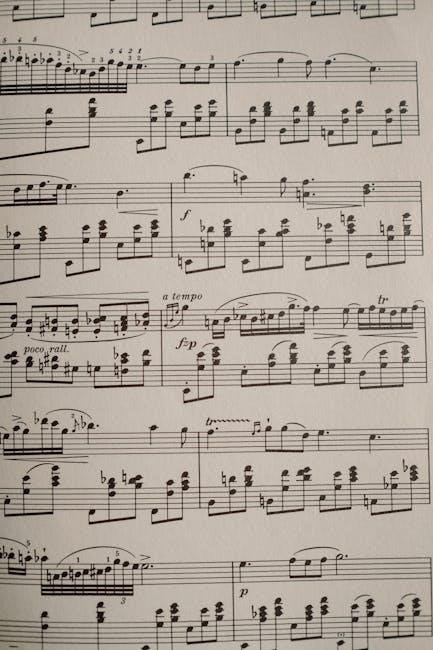
Decoding sheet music requires knowledge of key signatures, time signatures, rhythmic values, and dynamics—essential for accurately performing “Carol of the Bells” from a PDF.
Key Signatures and Time Signatures
Understanding key signatures is crucial when interpreting “Carol of the Bells” sheet music. Many arrangements are in E minor, indicated by one sharp in the key signature. This signifies raised F notes throughout the piece. Recognizing this impacts accurate note reading.
Time signatures dictate the rhythmic structure. Commonly, you’ll encounter 3/4 or 4/4 time. 3/4 means three beats per measure, creating a waltz-like feel, while 4/4 provides a more standard, four-beat structure.
PDF versions may not always clearly display these markings, so familiarity is key. Incorrectly interpreting the key or time signature will drastically alter the musicality. Pay close attention to accidentals (sharps, flats, naturals) alongside the key signature to ensure precise performance of this beautiful carol.
Reading Rhythmic Values
“Carol of the Bells” features a complex rhythmic structure, demanding careful attention to note values. PDF sheet music displays these as whole, half, quarter, eighth, and sixteenth notes – and rests! Understanding their durations is vital for accurate timing.
The song’s signature is its repeating bell-like pattern, often utilizing eighth and sixteenth notes to create a driving, energetic feel. Dotted notes extend a note’s duration by half, adding rhythmic nuance.
Accurately counting these values, especially in faster arrangements like Tommee Profitt’s, is challenging. Practice slowly with a metronome, focusing on subdividing beats. PDF clarity can vary, so a solid grasp of rhythmic notation is essential for a polished performance of this iconic carol.
Interpreting Dynamics and Articulation
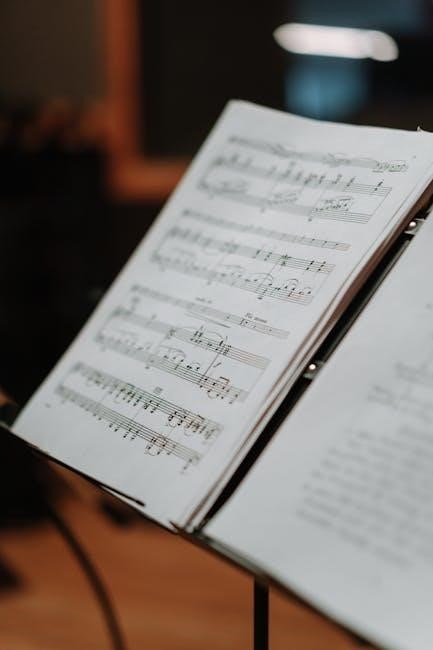
“Carol of the Bells” sheet music, even in free PDF formats, utilizes dynamic markings – piano (p), mezzo piano (mp), forte (f) – to shape the song’s emotional impact. These indicate volume levels, crucial for conveying the carol’s dramatic arc.
Articulation markings, like staccato (short, detached notes) and legato (smooth, connected notes), further refine the performance. The bell-like quality often benefits from a slightly detached, yet precise, articulation.
Arrangements, such as those by Pentatonix or William J. Ross, may include more nuanced dynamic and articulation cues. Carefully observing these details, even in a free PDF, elevates the musicality and brings the arrangement to life, enhancing the overall listening experience.
PDF Format and Printing Considerations
Ensure your PDF viewer is up-to-date for optimal viewing. Adjust print settings for accurate scaling and clarity when printing “Carol of the Bells” sheet music.
Ensuring PDF Compatibility
When downloading “Carol of the Bells” sheet music PDFs, compatibility is crucial for a seamless experience. Most modern devices and operating systems natively support PDF viewing, but older systems might require a PDF reader like Adobe Acrobat Reader, which is freely available.
Verify the PDF version; newer versions generally offer better rendering and features. If encountering issues – distorted notes, missing fonts, or rendering errors – try updating your PDF reader. Some PDFs may be scanned images rather than text-based, potentially increasing file size and reducing readability.
Always test the PDF on your intended device before printing to confirm everything displays correctly. Consider converting the PDF to a different format if persistent compatibility problems arise, though this may alter the sheet music’s formatting.
Optimal Printing Settings for Sheet Music
To achieve the best results when printing “Carol of the Bells” sheet music PDFs, adjust your printer settings carefully. Select “Fit to Page” or a similar scaling option to ensure all musical notation is visible without cropping. Choose a high print quality setting – at least 300 DPI – for clear, crisp notes and symbols.
Opt for standard paper size (8.5 x 11 inches) and orientation (portrait). Disable any header or footer options that might obscure the music. For double-sided printing, verify proper page ordering to avoid misaligned staves.
A test print of a single page is recommended before printing the entire score. This allows you to fine-tune settings and prevent wasted ink and paper. Consider using thicker paper stock for increased durability.
Copyright and Usage Rights of Free PDFs
While many websites offer “Carol of the Bells” sheet music PDFs for free, understanding copyright is crucial. Public domain status applies to the original “Shchedryk” folk song and Mykola Leontovych’s initial composition, allowing free use. However, arrangements – like those by Tommee Profitt or Pentatonix – are typically protected by copyright.
Downloading and using these arrangements for personal practice is generally permissible. Distributing, performing publicly, or making copies for profit without permission is a copyright violation.
Always check the website’s terms of use regarding sheet music downloads. Some sites may require attribution or have specific usage restrictions. Respecting copyright ensures continued access to free resources and supports composers and arrangers.

Navigating with Google Maps for Music-Related Locations
Utilize Google Maps to locate nearby music stores selling “Carol of the Bells” sheet music, or venues potentially featuring performances of this beloved carol.
Finding Music Stores with Sheet Music
Locating physical music stores using Google Maps can be a fantastic way to acquire “Carol of the Bells” sheet music. Begin by searching for “music stores near me” or “sheet music stores” within the Google Maps interface.
Once results appear, explore each store’s listing. Many stores now display their inventory online, allowing you to check if they carry the specific arrangement you desire – perhaps a piano version, vocal score, or even arrangements inspired by artists like Tommee Profitt or Pentatonix;
Google Maps also provides user reviews, which can offer insights into a store’s selection and customer service. Furthermore, you can easily obtain directions, operating hours, and contact information directly from the map listing, streamlining your search for the perfect “Carol of the Bells” sheet music;
Locating Performance Venues Featuring “Carol of the Bells”
Google Maps proves invaluable for discovering venues showcasing “Carol of the Bells” performances, especially during the holiday season. Initiate a search using terms like “Christmas concerts near me” or “holiday performances” within the Google Maps application.
Examine venue listings for event details, including concert schedules and repertoire. Many venues publish their programs online, confirming if “Carol of the Bells” is featured. User reviews can also hint at the quality of performances and the overall concert experience.
Google Maps provides seamless directions, public transport options, and parking information, simplifying your journey to the venue. Experiencing a live performance can inspire your own musical interpretation of the piece, complementing your study of the sheet music.
Utilizing Google Maps for Transportation to Music Events
Google Maps simplifies travel to “Carol of the Bells” performances, offering diverse transportation options. Input the venue address to access detailed driving directions, complete with real-time traffic updates and estimated arrival times.
For public transport users, Google Maps provides comprehensive route planning, including bus, train, and subway schedules. Explore walking and cycling routes for shorter distances, with estimated durations and elevation profiles. Ride-sharing services are also integrated, displaying fare estimates and pickup times.
The platform’s live view feature enhances navigation, overlaying directions onto a live camera feed. Whether you’re practicing with downloaded sheet music or attending a concert, Google Maps ensures a stress-free journey.

Alternatives to Free PDF Downloads
Consider purchasing sheet music from reputable retailers or exploring subscription services for legal access. Music libraries and educational resources also offer alternatives.
Purchasing Sheet Music from Reputable Retailers
While free PDF downloads are tempting, purchasing sheet music from established retailers ensures quality and supports composers and arrangers. Sites like Musicnotes.com, Sheet Music Plus, and Hal Leonard offer a vast selection of “Carol of the Bells” arrangements, often including officially licensed versions of popular adaptations like those by Tommee Profitt and William J. Ross.
These retailers typically provide high-resolution, professionally typeset sheet music, free of the errors sometimes found in user-submitted PDFs. You’ll find options for various instruments – piano, vocal, guitar, and more – catering to different skill levels; Purchasing also grants you legal usage rights, avoiding potential copyright issues. Consider the long-term value of a well-printed, accurate score over a potentially unreliable free download.
Subscription Services for Sheet Music Access
For frequent musicians, sheet music subscription services offer a cost-effective alternative to individual purchases. Platforms like Musicnotes.com’s “Pro” tier and others provide unlimited access to a vast library of arrangements, including numerous versions of “Carol of the Bells.” These subscriptions often include arrangements for piano, vocal ensembles (SATB, SSA), and various instruments.
A subscription model allows you to explore different arrangements – beginner, intermediate, advanced, and specific artist adaptations like Pentatonix’s – without incurring individual costs. Many services offer downloadable PDFs, printable at your convenience. This is a legally sound and convenient way to access a wide range of sheet music, ensuring quality and supporting the music industry.
Using Music Libraries and Educational Resources
Don’t overlook the valuable resources offered by public music libraries and educational institutions. Many libraries maintain collections of sheet music, potentially including arrangements of “Carol of the Bells.” University and college music departments often grant public access to their music libraries, offering a wealth of scores for study and performance.
Furthermore, schools with robust music programs may have arrangements available for borrowing or copying (within fair use guidelines). These resources provide legally compliant access to sheet music and often feature well-edited, high-quality arrangements. Exploring these avenues can be a fantastic alternative to solely relying on free PDF downloads, supporting musical education and community resources.