Dometic 3-Way Caravan Fridge Manual: A Comprehensive Guide
This comprehensive guide details operation, installation, and safety for your Dometic refrigerator, designed for recreational vehicles and ensuring optimal food storage experiences.
Understanding Your Dometic 3-Way Fridge
Dometic 3-way fridges are specifically engineered for recreational vehicle use, offering versatile cooling solutions for caravans and motorhomes. These refrigerators distinguish themselves by operating on three distinct power sources: gas, 12V DC, and 230V AC. This adaptability ensures consistent performance whether you’re off-grid, traveling, or connected to mains electricity.
Understanding the core functionality is crucial for safe and efficient operation. These units utilize absorption cooling technology, differing from traditional compressor-based refrigerators. This means they operate silently and without moving parts, enhancing reliability. Proper ventilation is paramount, requiring dedicated apertures in the caravan wall to facilitate heat dissipation, with a minimum open cross-section of 250cm2.
Before use, carefully review the instruction manual to familiarize yourself with safety precautions and operational procedures.
What is a 3-Way Fridge?
A 3-way fridge is a refrigerator designed to operate using three different power sources: Liquefied Petroleum Gas (LPG), 12V Direct Current (DC) – typically from a vehicle’s battery, and 230V Alternating Current (AC) – standard mains electricity. This versatility makes them ideal for caravans, motorhomes, and other recreational vehicles where access to a single power source isn’t guaranteed.
Unlike conventional compressor fridges, 3-way models utilize absorption cooling. This process uses heat, rather than electricity, to circulate the refrigerant, resulting in silent operation and increased reliability. Switching between power sources is usually managed via a selector switch, allowing users to prioritize based on availability and convenience.
However, it’s vital to understand the limitations of each power source, particularly 12V DC, which typically offers limited cooling capacity.
Key Features of Dometic Caravan Fridges
Dometic caravan fridges are renowned for their reliability and efficiency, specifically engineered for the demands of mobile living. Key features include robust construction, designed to withstand the vibrations and movements of travel. The 3-way power operation – gas, 12V DC, and 230V AC – provides unparalleled flexibility, ensuring refrigeration even in remote locations.
Many models incorporate a spacious interior with adjustable shelves and a dedicated freezer compartment, maximizing storage capacity. Dometic fridges prioritize silent operation due to their absorption technology, enhancing the comfort of your journey.
Furthermore, efficient ventilation systems are integral to their design, requiring specific aperture sizes for optimal performance. These fridges are built to deliver consistent cooling and long-lasting performance;
Installation and Ventilation
Proper installation and adequate ventilation, with apertures in the caravan wall, are crucial for optimal performance and longevity of your Dometic fridge.
Correct Ventilation Requirements (250cm² Minimum)
Ventilation is paramount for the efficient operation of your Dometic 3-way fridge. The unit relies on airflow to dissipate heat generated during the absorption cooling process. Insufficient ventilation can lead to reduced cooling performance and potentially damage the refrigerator.
A minimum open cross-section of 250cm² is absolutely essential for both the inlet and outlet ventilation grilles. This ensures adequate air circulation around the cooling unit. The Dometic Absorber Ventilation Systems are specifically designed to meet this requirement, providing optimized airflow.
Fresh air enters through a lower aperture, circulates around the fridge to extract heat, and then exits through an upper vent. Obstructions to these vents, such as curtains or stored items, must be avoided. Regularly inspect the vents to ensure they remain clear and unobstructed for consistent performance.
Caravan Wall Aperture Placement
Proper placement of the ventilation apertures in your caravan wall is crucial for optimal Dometic fridge performance. These apertures facilitate the necessary airflow for heat dissipation during operation. The lower inlet vent should be positioned to draw in cool, fresh air from outside the caravan, ideally shaded from direct sunlight.

The upper outlet vent should be located higher up the caravan wall to allow warm, exhausted air to escape effectively. Maintaining a vertical separation between the inlet and outlet vents is recommended to promote natural convection. Avoid positioning vents near heat sources or areas prone to obstruction.
Carefully consider the caravan’s construction and ensure the apertures do not compromise the structural integrity of the wall. Always follow the manufacturer’s guidelines for cutting and sealing the openings to prevent water ingress and maintain a weatherproof seal.
Using Dometic Absorber Ventilation Systems
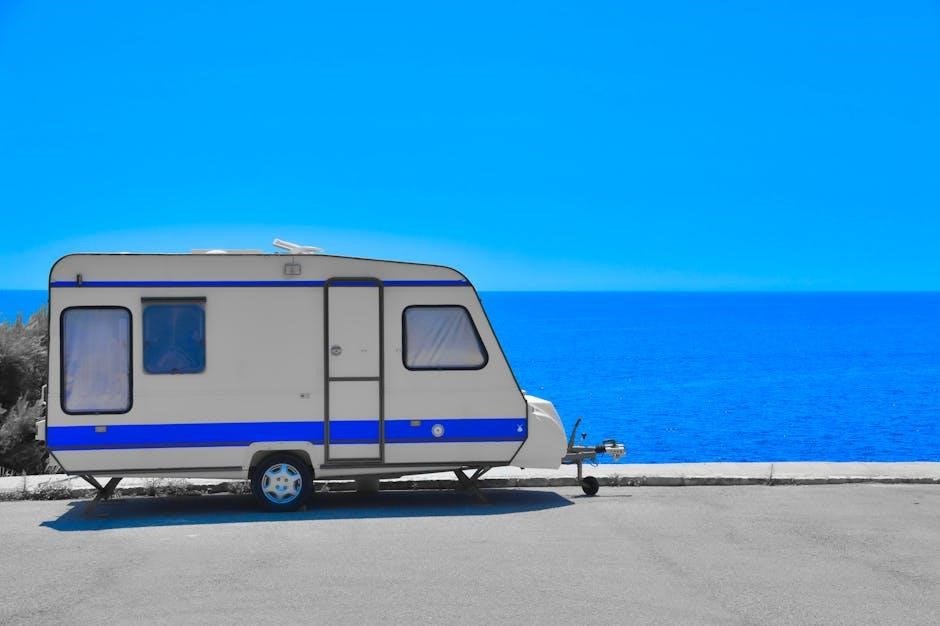
Dometic Absorber ventilation systems are designed to ensure the required 250cm² of open cross-section for optimal fridge performance. These systems provide a convenient and effective solution for achieving adequate ventilation in caravan walls. They are specifically engineered to work seamlessly with Dometic 3-way fridges, maximizing cooling efficiency and preventing overheating.
Installation involves carefully cutting appropriately sized apertures in the caravan wall and securely mounting the Absorber vents. Ensure a tight seal around the vents to prevent water ingress and maintain the caravan’s structural integrity. The system facilitates a continuous flow of air, drawing cool air in and expelling warm air.
Regularly inspect the vents for any obstructions, such as leaves or debris, that could impede airflow. Maintaining clear vents is essential for consistent fridge operation and longevity.
Copper Supply Pipe Specifications
When installing your Dometic 3-way fridge, the gas supply pipe is critically important. Dometic explicitly recommends using copper piping for the gas connection. If alternative materials are employed, they must be approved for continuous use with bottled gas appliances and feature threaded connections throughout the entire length.
All connectors, including couplings and fittings, should be specifically designed for the chosen pipe material and diameter. Screwed joints are essential to ensure a gas-tight seal, preventing potentially hazardous leaks. Avoid using compression fittings, as they may not provide the necessary long-term reliability.
Proper pipe sizing is also crucial for optimal gas flow and efficient fridge operation. Consult the Dometic installation guide for specific diameter recommendations based on the fridge model and gas supply distance;
Operating Your Fridge: Power Sources
Your Dometic fridge offers versatile power options: gas, 12V DC, and 230V AC, providing reliable cooling wherever your adventures take you, safely and efficiently.
Gas Operation: Safety Precautions
Prioritizing safety is paramount when operating your Dometic fridge on gas. Never operate the refrigerator with gas while refueling at petrol stations, during vehicle transport (towing or on a transport vehicle), or while driving. Always ensure adequate ventilation; never obstruct the ventilation grilles, maintaining a minimum open cross-section of 250cm² for efficient heat dissipation.
Crucially, if you detect a gas leak – even a faint smell – immediately close both the gas supply cock and the valve on the gas cylinder. Extinguish all open flames and avoid using any electrical switches. Open all windows and doors to thoroughly ventilate the area, and do not re-enter until the leak is professionally addressed. Never use a naked flame to check for leaks; employ a gas leak detection solution instead. Regular inspection of gas connections is vital for safe operation.
12V DC Operation: Usage and Limitations
Dometic 3-way fridges can operate on 12V DC, primarily intended for use while traveling in your caravan or motorhome, allowing continued cooling during journeys. However, 12V operation has limitations. It typically provides a lower cooling capacity compared to gas or 230V AC, and consequently, may struggle to maintain sufficiently low temperatures in very hot ambient conditions.
Furthermore, 12V operation places a significant drain on your vehicle’s battery. Prolonged use without the engine running or a battery charging system can lead to battery depletion. It’s crucial to monitor your battery voltage and avoid excessively discharging it. Consider using 12V operation strategically, such as during shorter trips or to supplement other power sources. Always check your vehicle’s electrical system compatibility before use.
230V AC Operation: Connecting to Mains Power
When connecting your Dometic fridge to 230V AC mains power, ensure you are using a properly grounded outlet and a compatible power cable. Before plugging in, verify the voltage matches the fridge’s specifications (typically 220-240V). It’s recommended to use a dedicated circuit to avoid overloading. Many campsites provide designated electrical hook-up points for caravans and motorhomes.
Always use a Residual Current Device (RCD) or Ground Fault Circuit Interrupter (GFCI) for added safety, as this will protect against electrical shock. Once connected, the fridge will automatically switch to AC operation, providing the most efficient cooling performance. Regularly inspect the power cable for any signs of damage and replace it if necessary. Avoid using extension cords if possible, and if required, ensure they are of sufficient gauge.
Switching Between Power Sources
Your Dometic 3-way fridge automatically prioritizes power sources for optimal operation. When 230V AC is available, the fridge will run on this most efficient power. Upon disconnection from AC, it seamlessly switches to gas if the gas supply is open and ignition is successful. If neither AC nor gas is available, the fridge will then operate on 12V DC, though this mode has limited cooling capacity.
Manual intervention isn’t usually required for switching, but ensure the correct power source is active. To operate solely on gas, disconnect the AC power and ensure the gas supply is open. For 12V DC, disconnect both AC and ensure the gas is off. Always monitor the fridge’s performance after switching to confirm it’s operating correctly on the desired power source.
Fridge Controls and Settings
Adjusting the thermostat, initiating gas ignition, and controlling the freezer compartment temperature are key to optimizing your Dometic fridge’s performance and efficiency.
Thermostat Adjustment
The thermostat within your Dometic 3-way fridge controls the internal temperature, and proper adjustment is crucial for efficient operation and food preservation. Typically, the thermostat dial is numbered, with higher numbers indicating colder temperatures. Begin by setting the thermostat to a mid-range setting, such as ‘3’ or ‘4’, and allow the fridge to run for at least 24 hours to stabilize.
After this period, check the temperature inside both the refrigerator and freezer compartments. If the refrigerator isn’t cold enough, gradually increase the thermostat setting. Conversely, if items are freezing in the refrigerator section, reduce the setting. Remember that ambient temperature and the amount of food stored will influence the ideal thermostat position.
Fine-tuning is often necessary, especially during varying weather conditions. Avoid making drastic adjustments, as this can strain the system. Consistent monitoring and small adjustments will ensure optimal performance and prevent unnecessary energy consumption.
Ignition Procedure (Gas Mode)
Before attempting gas ignition, ensure the fridge is level and all safety precautions are followed – particularly verifying adequate ventilation. Locate the gas control panel, usually near the lower front of the fridge. Turn the selector switch to the ‘Gas’ position. Next, turn the gas tap to the ‘On’ position. Now, press and hold the red ignition button. You should hear a clicking sound.
Continue holding the ignition button for approximately 20-30 seconds, allowing the burner to ignite. If it doesn’t light after several attempts, turn off the gas tap, wait five minutes to allow any accumulated gas to dissipate, and try again. Once lit, the thermocouple will maintain the flame, and you can release the ignition button.
If the flame extinguishes immediately upon releasing the button, repeat the process or consult a qualified technician. Never attempt to relight the fridge repeatedly without allowing gas to clear.
Freezer Compartment Temperature Control
The freezer compartment’s temperature is primarily regulated by the overall fridge thermostat setting, but some models offer a separate, adjustable vent or damper to fine-tune cooling. This vent controls airflow between the fridge and freezer sections. Opening the vent increases cooling in the freezer, potentially reducing fridge temperature, while closing it prioritizes fridge cooling.
Adjust the vent gradually, observing the temperature changes over several hours. Avoid completely closing the vent, as this can prevent adequate cooling in the fridge section. For optimal freezing, ensure food is properly packaged to prevent freezer burn. Regularly check the temperature with a thermometer to ensure it remains below 0°C (32°F).
Remember that external factors like ambient temperature and door opening frequency will influence freezer performance. Consistent monitoring and minor adjustments are key to maintaining desired temperatures.

Maintenance and Troubleshooting
Regular cleaning, leak checks, and defrosting are crucial for optimal performance. Addressing common issues promptly ensures longevity and efficient operation of your Dometic fridge.
Cleaning Your Dometic Fridge
Maintaining a clean refrigerator is essential for hygiene and efficient operation. Before cleaning, always disconnect the fridge from all power sources – gas, 12V DC, and 230V AC. Remove all food items and shelving. The interior surfaces should be cleaned with lukewarm water and a mild detergent.
Avoid abrasive cleaners or solvents, as these can damage the plastic components. Rinse thoroughly with clean water and dry with a soft cloth. Pay particular attention to door seals, ensuring they are clean and free from debris to maintain a proper seal. The exterior can be wiped down with a damp cloth and mild detergent.
For stubborn stains inside the fridge, a solution of baking soda and water can be effective. Regularly cleaning the condenser coils (located at the back of the fridge) will improve cooling performance. Use a vacuum cleaner with a brush attachment to remove dust and dirt. Remember to allow the fridge to dry completely before reconnecting it to the power supply and restocking with food.
Leak Detection: What to Do if You Smell Gas
If you suspect a gas leak, immediate action is crucial for safety. Never use a naked flame – such as a lighter or match – to check for leaks. If you smell gas, immediately close the gas supply cock and the valve on the gas cylinder. This will stop the flow of gas to the refrigerator.
Next, open all windows and doors to ventilate the area thoroughly. Extinguish any open flames and avoid operating any electrical switches or devices, as these could create a spark. Do not attempt to repair the leak yourself; contact a qualified gas engineer or service technician.
Evacuate the area and ensure everyone is a safe distance away. Once the area is ventilated and the leak has been addressed by a professional, you can resume using the refrigerator. Regular leak checks are recommended to ensure continued safe operation.
Defrosting Procedures
Regular defrosting is essential for maintaining optimal performance of your Dometic 3-way fridge. Ice buildup reduces cooling efficiency and increases energy consumption. To defrost, switch off the refrigerator and disconnect all power sources – gas, 12V DC, and 230V AC. Remove all food items from both the refrigerator and freezer compartments.
Leave the doors open to allow the ice to melt naturally. You can accelerate the process by placing containers of warm (not hot) water inside the freezer. Avoid using sharp objects to scrape away ice, as this could damage the internal surfaces. Once all the ice has melted, thoroughly dry the interior with a soft cloth.
Reconnect the power sources and allow the refrigerator to cool down before restocking with food. Frequent defrosting, especially during periods of heavy use, will ensure efficient operation and prolong the life of your appliance.
Common Issues and Solutions
Insufficient Cooling: Check ventilation – ensure the 250cm² minimum aperture is clear. Verify the power source is functioning correctly (gas supply, 12V connection, or mains power). Flame Outage (Gas): Relight the burner following the ignition procedure. If it repeatedly fails, inspect the gas supply and burner for obstructions.
Fridge Not Working on Gas: Ensure the gas cylinder is open and has sufficient fuel. Check the gas supply pipe for kinks or leaks. Unusual Noises: Minor clicking sounds during gas ignition are normal. Persistent loud noises may indicate a problem with the absorber unit – consult a qualified technician.
Leak Detection: If you smell gas, immediately follow the safety precautions outlined in the safety section. Always prioritize safety and seek professional assistance for complex issues.
Safety Information
Prioritize safety by never using open flames to check for leaks and always ensuring proper ventilation during operation, as detailed in this manual;
Operating Restrictions (Petrol Stations, Transport)
Crucially, never operate the refrigerator using gas while at petrol stations, or during periods of driving. This restriction is paramount due to the inherent risks associated with flammable gas and potential ignition sources present in these environments. Furthermore, when transporting your caravan or mobile home via a transport vehicle or tow truck, gas operation is strictly prohibited.
These limitations are in place to prevent potentially hazardous situations. Always ensure the gas supply is securely shut off before any transport or when entering areas with heightened fire risk. Adhering to these guidelines is essential for the safety of yourself and others, and for preventing damage to your Dometic fridge and surrounding property. Prioritize safety and consult the full manual for detailed instructions;
Gas Supply Cock and Cylinder Valve Procedures
When detecting a gas leak, or prior to any maintenance, immediately close both the gas supply cock within the refrigerator itself and the valve located on the gas cylinder. This dual-action approach ensures a complete shut-off of the gas supply, minimizing potential hazards. Always prioritize safety when dealing with gas appliances.
Before attempting to relight the refrigerator after any interruption, or when connecting a new gas cylinder, thoroughly check all connections for leaks using a suitable leak detection solution – never use a naked flame. Open the cylinder valve slowly and then check the refrigerator’s gas supply cock. Proper procedure is vital for safe and efficient operation. Refer to the full manual for detailed diagrams and instructions.
General Safety Warnings
Never operate the refrigerator using gas while refueling at petrol stations, during vehicle transport (towing or on a transport vehicle), or while driving. These situations present significant fire and explosion risks due to potential gas leaks and ignition sources. Always ensure adequate ventilation when using the refrigerator on gas.
Do not attempt to modify the refrigerator or its gas system in any way. Unauthorized modifications can compromise safety and void the warranty. If you suspect a gas leak, do not operate electrical switches, and avoid any source of ignition. Prioritize immediate safety measures as outlined in the manual. Always follow the manufacturer’s instructions for safe operation and maintenance.
Technical Specifications
Dometic refrigerators, like the RM2350, vary in capacity (90L) and power consumption; detailed dimensions and weight are crucial for proper installation planning.
Model Numbers and Capacities (e.g., RM2350)
Dometic offers a diverse range of 3-way caravan fridges, each identified by a unique model number, such as the popular RM2350. These numbers correspond to specific features and capacities. The RM2350, for instance, boasts a generous 90-liter total capacity, effectively dividing between the refrigerator and freezer compartments.
Other models include variations in size, ranging from compact units suitable for smaller caravans to larger models designed for family use. Capacity directly impacts the amount of food and beverages you can store, so selecting the right size is vital. Always refer to the product specifications for accurate capacity details. Understanding your model number is also crucial when sourcing replacement parts or accessing specific troubleshooting information.
Dometic’s official documentation provides a complete list of available models and their corresponding capacities, ensuring you can find the perfect fridge for your caravan lifestyle.
Power Consumption Details
Understanding power consumption is crucial for efficient operation of your Dometic 3-way fridge. Consumption varies significantly depending on the power source used – gas, 12V DC, or 230V AC. Gas operation generally offers the lowest running costs, but requires a secure gas supply and proper ventilation.
12V DC operation, convenient while traveling, typically consumes more power than gas, impacting your leisure battery life. 230V AC, when available at campsites, provides a stable and efficient power source. Specific power consumption figures (in Watts or Amps) are detailed in your fridge’s technical specifications and instruction manual.
Factors like ambient temperature, frequency of door openings, and thermostat settings also influence energy usage. Monitoring power consumption helps optimize performance and prevent battery drain, ensuring a reliable cooling experience throughout your journey.
Dimensions and Weight
Accurate dimensions and weight are vital for proper installation and ensuring your caravan’s weight distribution remains balanced. Dometic 3-way fridges come in various sizes, catering to different caravan and motorhome layouts. Model numbers, such as the RM2350, correlate to specific dimensions – height, width, and depth – detailed in the product specifications.
Weight considerations are equally important. A fully loaded fridge adds significant weight, impacting towing capacity and fuel efficiency. Always refer to the manufacturer’s specifications for the fridge’s net weight (empty) and gross weight (when fully loaded with food and beverages).
Careful planning during installation ensures sufficient space for ventilation and door operation. Precise measurements prevent installation issues and guarantee optimal fridge performance within your recreational vehicle.