
Dental Fee Guide BC 2023: A Comprehensive Overview
Navigating British Columbia’s dental costs requires understanding the fee guide, recent changes, and the impact of inflation on services – especially with the current freeze.
Increased costs in 2024, including recreation, housing, and BC Ferries, also affect dental work expenses for residents across the province.
Non-profit clinics are struggling due to the fee schedule freeze, potentially limiting access for those relying on assistance benefits, as reported recently.
Understanding the BC Dental Fee Guide
The BC Dental Fee Guide serves as a crucial reference point for both dental professionals and patients in British Columbia, outlining suggested fees for a wide range of dental procedures. However, it’s vital to understand that these are suggested fees, not mandated prices; dentists retain the autonomy to set their own fees.
Published annually by the BC Dental Association (BCDA), the guide aims to promote transparency and consistency in dental billing practices. It categorizes procedures with corresponding fee codes, allowing for standardized communication between dentists and insurance providers. The guide’s structure facilitates accurate claim submissions and processing, benefiting both parties.

Currently, a significant issue impacting the guide’s effectiveness is the prolonged freeze on the fee schedule. This freeze, as highlighted in recent reports, is creating financial strain on non-profit clinics and potentially reducing access to care for patients relying on assistance programs. Understanding this context is essential when interpreting the guide’s listed fees in 2023 and beyond, as actual costs may vary.
The 2023 Fee Guide: Key Changes & Updates
Despite the annual publication, the most significant aspect of the 2023 BC Dental Fee Guide isn’t new additions, but rather the lack of updates. A prolonged freeze on the fee schedule has been the dominant characteristic, impacting both dentists and patients throughout the year. This freeze means the fees listed largely remain consistent with previous years, failing to reflect rising operational costs and inflation.
The absence of adjustments has created a challenging environment for dental practices, particularly non-profit clinics. Reports indicate these clinics are facing financial difficulties due to the inability to adjust fees to cover increasing expenses. Consequently, some dentists are limiting their acceptance of patients covered by assistance programs.
While no procedural fee changes were implemented in 2023, the ongoing debate surrounding the freeze and its consequences represents the key “update” impacting the dental landscape in British Columbia.
Factors Influencing Dental Costs in British Columbia
Several interconnected factors contribute to the overall cost of dental care in British Columbia. The most prominent current influence is the extended freeze on the provincial dental fee schedule, suppressing potential fee adjustments that would normally reflect rising operational expenses.
Beyond the fee guide, general inflation significantly impacts costs – from materials and equipment to staffing and facility maintenance. Geographic location also plays a role, with potential variations in overhead costs between urban centers and more remote communities.
The complexity of the procedure itself is a primary driver, with specialized treatments naturally commanding higher fees. Finally, the dentist’s experience, specialization, and the technology utilized within the practice can all influence the final cost to the patient.
Basic Dental Services & Their Average Costs (2023)
Understanding typical costs for fundamental dental services is crucial for budgeting and informed healthcare decisions. While precise figures vary based on location and dentist, some averages can be estimated using the BC Dental Fee Guide (though currently impacted by the fee schedule freeze).

A routine check-up and cleaning generally falls within the $120-$200 range. Simple fillings, depending on the material used, can range from $150 to $300. More complex restorative work, like root canals, can significantly increase costs, potentially reaching $700-$1500 or more per tooth.

These are approximate figures, and it’s essential to obtain a detailed treatment plan and cost estimate from your dentist before proceeding with any procedure. The ongoing freeze on the fee schedule may mean actual costs differ from these estimates.
Preventative Care: Cleanings & Check-ups
Regular preventative care is the cornerstone of maintaining optimal oral health and can help avoid costly procedures down the line. In British Columbia, a standard dental check-up typically involves a visual examination, assessment of gum health, and potentially X-rays to detect hidden issues.
Professional cleanings, also known as prophylaxis, remove plaque and tartar buildup that brushing and flossing can miss. The average cost for a basic cleaning and check-up in 2023 generally ranges from $120 to $200, but this can vary depending on the dentist and any additional services required.
Given the current freeze on the dental fee schedule, some clinics may be adjusting their services or patient intake, potentially impacting access to these essential preventative measures. Prioritizing regular visits remains vital.
Restorative Care: Fillings & Root Canals
When preventative care isn’t enough, restorative treatments become necessary to address decay or damage. Dental fillings are a common solution for cavities, with costs varying based on the material used – amalgam, composite resin, or porcelain. Amalgam fillings are typically the most affordable, ranging from $100 to $200 per tooth, while composite fillings can cost $150 to $350.
Root canals, a more complex procedure addressing infected tooth pulp, are significantly more expensive. The cost for a root canal in BC can range from $700 to $1500 per tooth, depending on the tooth’s location and the complexity of the case.
The ongoing fee schedule freeze may influence dentists’ willingness to offer these services, potentially impacting treatment options and accessibility for patients.
Specialty Dental Procedures & Associated Fees

Beyond general dentistry, specialized procedures often carry higher costs. Orthodontic treatments, like braces or Invisalign, represent a substantial investment, typically ranging from $3,000 to $8,000, depending on the complexity and duration of treatment. These costs are often spread out through payment plans.
Oral surgery, encompassing extractions and dental implants, also falls into this category. A simple tooth extraction can cost between $150 and $400, while more complex surgical extractions may exceed $600. Dental implants, a long-term solution for missing teeth, are considerably more expensive, ranging from $3,000 to $6,000 per implant.
The current freeze on dental fees is impacting specialist availability, with some dentists limiting services for patients on assistance programs.
Orthodontics: Braces & Invisalign Costs
Orthodontic treatments in British Columbia, aimed at correcting misaligned teeth and improving bite, represent a significant financial commitment. Traditional metal braces generally range from $3,000 to $7,000, with the final cost influenced by treatment length and complexity. Ceramic braces, offering a more discreet appearance, typically fall within a similar price range.
Invisalign, a popular alternative utilizing clear aligners, often costs between $3,500 and $8,000. The price varies based on the number of aligners needed and the severity of the case. The ongoing freeze on dental fees is creating challenges for orthodontic specialists, potentially impacting patient access to these treatments.
Payment plans are commonly offered by orthodontic clinics to make these costs more manageable for families. Careful consideration of all options is crucial.
Oral Surgery: Extractions & Implants Pricing
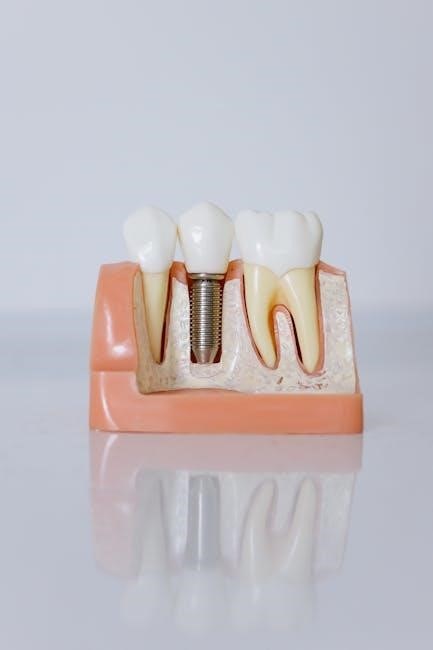
Oral surgery costs in British Columbia vary considerably depending on the procedure’s complexity. A simple tooth extraction typically ranges from $150 to $400 per tooth, while more complicated extractions, such as impacted wisdom teeth, can cost between $300 and $800 or more, depending on the difficulty.
Dental implants, a more permanent tooth replacement solution, represent a substantial investment. The cost per implant, including the implant post, abutment, and crown, generally falls between $3,000 and $6,000. The current freeze on the dental fee schedule is impacting oral surgeons, potentially leading to longer wait times and limited availability for patients needing these procedures.
Bone grafting, often required before implant placement, adds to the overall expense. Thorough consultation and a detailed treatment plan are essential.
Dental Insurance Coverage in BC (2023)
Dental insurance in British Columbia generally falls into two main categories: public and private. Public programs, like Chip (Children’s Health In BC), offer coverage for eligible children and families with limited income, but coverage levels vary. Accessing these programs can be challenging due to eligibility requirements and potential waitlists.
Private dental insurance plans, often provided through employers or purchased individually, typically cover a percentage of preventative and restorative care. Common coverage levels range from 50% to 80%, with annual maximums often around $1,000 to $2,000. The freeze on the dental fee schedule is creating issues for patients with assistance benefits, as some dentists are no longer accepting them.
Understanding your plan’s specifics – including deductibles, co-pays, and covered procedures – is crucial for maximizing benefits.
Public Dental Insurance Programs (Chip, etc.)
British Columbia offers several public dental insurance programs designed to assist residents who may not have access to private coverage. Chip (Children’s Health In BC) is a primary program, providing dental care for eligible children from low-income families. Eligibility is based on household income and family size, with specific criteria determining coverage levels.
Other programs exist for specific populations, such as seniors and individuals with disabilities. However, the current freeze on the dental fee schedule is significantly impacting these programs. Non-profit clinics, vital for serving these populations, are struggling financially, and some dentists are opting out of accepting patients with assistance benefits.
Navigating these programs can be complex, requiring applications and verification of eligibility. Accessing care may also involve waitlists and limited provider availability.
Private Dental Insurance Plans: What to Expect
Private dental insurance in British Columbia typically operates on a yearly benefit maximum, often ranging from $1,000 to $2,000 per person. Most plans follow a common structure, covering a percentage of preventative care (like cleanings) at 80-100%, basic restorative work (fillings) at 60-80%, and major procedures (crowns, root canals) at 50-60%.
However, the freeze on the dental fee schedule is creating discrepancies. Insurance coverage is based on the older, frozen fee guide, meaning patients may face out-of-pocket expenses for the difference between the insured amount and the actual cost charged by dentists;
Plan premiums vary based on coverage levels, deductibles, and the employer or individual purchasing the plan. Careful review of policy details is crucial to understand limitations and exclusions.
The Impact of Inflation on Dental Fees (2023-2024)
Inflation significantly impacted dental costs in British Columbia throughout 2023 and continuing into 2024. Rising operational expenses for dental practices – including supplies, energy, and staffing – have created upward pressure on fees. While the provincial fee schedule remains frozen, many dentists are absorbing increased costs, leading to potential challenges for patients.
The freeze exacerbates the issue, as the scheduled fees don’t reflect current economic realities. This discrepancy means patients may encounter additional expenses not covered by insurance, particularly for procedures exceeding the frozen fee limits. Overall increases across various sectors, including housing and recreation, contribute to the broader economic context affecting dental affordability.
The situation highlights the need for updated fee structures to align with inflation and ensure sustainable dental care access.
Dental Fee Disputes & Resolution Processes
Disagreements regarding dental fees can arise in British Columbia, often stemming from unexpected costs or perceived discrepancies between billed amounts and the provincial fee guide. Patients experiencing such disputes have several avenues for resolution. Initially, direct communication with the dental practice is crucial to understand the charges and explore potential clarification.
If the issue remains unresolved, contacting the College of Dental Surgeons of BC can initiate a formal complaint process. The College investigates concerns related to professional conduct and billing practices. Alternatively, patients with dental insurance can appeal denied claims through their insurance provider’s internal review process.
Documenting all communication and retaining copies of invoices is essential throughout the dispute resolution process.
Finding Affordable Dental Care Options in BC
Accessing affordable dental care in British Columbia can be challenging, especially with rising costs and limitations in insurance coverage. Fortunately, several options exist for residents seeking budget-friendly dental services. Community dental clinics and non-profit organizations frequently offer reduced fees based on income or specific eligibility criteria, providing vital care to underserved populations.
Dental schools, such as the University of British Columbia’s Faculty of Dentistry, often provide treatment at significantly lower costs, performed by students under the supervision of experienced dentists. Exploring government-funded programs, like Chip (Children’s Health In BC), can offer coverage for eligible children and families.
Researching these resources and comparing fees is crucial for finding the most affordable option.
Community Dental Clinics & Non-Profit Organizations
Community dental clinics and non-profit organizations play a crucial role in providing affordable dental care to British Columbians, particularly those facing financial barriers. These clinics often operate with a sliding fee scale, adjusting costs based on a patient’s income and family size, making services accessible to a wider range of individuals.
However, the prolonged freeze on the dental fee schedule has significantly impacted these organizations, starving them of necessary funding and resources. This has resulted in some clinics reducing services or even ceasing to accept patients with assistance benefits, exacerbating access issues.
Despite these challenges, they remain a vital resource, offering preventative care, restorative treatments, and oral health education.
Dental Schools Offering Reduced-Cost Treatment
Dental schools in British Columbia present another avenue for accessing more affordable dental care. These institutions operate clinics staffed by students under the close supervision of experienced, licensed dentists and faculty members. Treatment is typically offered at significantly reduced rates compared to private practices, making it a viable option for individuals on a budget.
While the quality of care remains high, patients should be aware that appointments may be longer due to the learning environment. The range of services available can vary between schools, but generally includes preventative care, fillings, and some restorative procedures.
Demand for appointments can be high, so early inquiries and patience are recommended. These schools provide valuable learning opportunities alongside accessible dental services.
The Freeze on Dental Fee Schedules & Its Consequences
A prolonged freeze on BC’s dental fee schedule has created significant challenges within the dental care system. This freeze, lasting for an extended period, has demonstrably impacted the financial viability of many dental practices, particularly non-profit clinics dedicated to serving vulnerable populations. The consequence is a reduction in the number of dentists willing to accept patients covered by assistance programs.
The lack of fee adjustments to account for rising operational costs – including staff salaries, supplies, and inflation – has strained clinic resources. This situation threatens access to essential dental care for British Columbians who rely on these services. The freeze’s impact is a growing concern, potentially exacerbating existing health inequities.
Advocates are calling for a re-evaluation of the fee schedule to ensure sustainability and continued access.
Comparing Dental Costs Across Different BC Cities
Dental costs in British Columbia aren’t uniform; significant variations exist between cities. While the provincial fee guide provides a baseline, actual prices can differ based on location, practice overhead, and local market conditions. Generally, major metropolitan areas like Vancouver and Victoria tend to have higher dental fees compared to smaller communities or those further from urban centers.
Factors contributing to these differences include higher rental costs for office space and increased competition for qualified dental professionals in larger cities. Residents in northern or remote areas may also face higher costs due to transportation and logistical challenges for dentists. Understanding these regional variations is crucial for budgeting and accessing affordable care.
Further research into specific city rates is recommended for accurate cost estimations.

Resources for BC Residents Seeking Dental Fee Information
British Columbia offers several resources to help residents understand and navigate dental fees. The BC Dental Association (BCDA) website is a primary source, providing access to the current fee guide and information on finding registered dentists. This site offers valuable insights into standard procedure costs and helps patients compare pricing.
The Government of BC’s health information portal also provides details on dental health and available programs, though direct fee schedules may be limited. For those eligible for assistance programs like Chip, specific program websites detail covered services and associated costs. Additionally, many dental clinics openly share their fee schedules upon request.
Utilizing these resources empowers patients to make informed decisions about their dental care.
BC Dental Association Website & Resources
The British Columbia Dental Association (BCDA) website serves as a central hub for comprehensive dental fee information. It provides direct access to the official BC Dental Fee Guide, outlining the costs associated with a wide range of procedures. This guide is regularly updated, though currently impacted by the provincial fee schedule freeze.
Beyond the fee guide, the BCDA website offers a “Find a Dentist” tool, allowing residents to locate registered dental professionals in their area. It also features articles and resources on oral health, preventative care, and understanding dental insurance. The BCDA actively advocates for the dental profession and provides updates on policy changes affecting dental care in BC.
For accurate and reliable information, the BCDA website is an invaluable resource for all British Columbia residents.
Government of BC Dental Health Information
The Government of British Columbia provides several resources related to dental health, though direct fee schedules are primarily accessed through the BCDA. The provincial government website details information on publicly funded dental programs, such as Chip (Children’s Health In BC), offering coverage for eligible children. It outlines eligibility criteria and application processes for these programs.
Furthermore, the government website offers general oral health advice, promoting preventative care and healthy habits. Information regarding the recent increases impacting various services in 2024, including potential effects on dental care accessibility, is also available. While not a direct fee guide, it provides context regarding the broader economic factors influencing dental costs.
For details on assistance programs and overall oral health guidance, the Government of BC website is a valuable starting point.
Future Trends in BC Dental Fees (2024 & Beyond)
Looking ahead, BC dental fees are poised for continued upward pressure, largely driven by persistent inflation impacting operational costs for dental practices. The prolonged freeze on the fee schedule, while offering short-term stability for patients, is creating significant challenges for clinics, potentially leading to reduced service availability.
Experts anticipate that once the freeze is lifted, a substantial adjustment to the fee guide will be necessary to reflect current economic realities. This could result in noticeable increases in the cost of various dental procedures. The struggles of non-profit clinics, highlighted recently, suggest a potential shift in service provision, with fewer clinics accepting assistance programs.
Monitoring broader economic trends and government policy changes will be crucial for predicting future dental fee fluctuations in British Columbia.